Blowing Bubble: A Playful Display Font for Handmade Labels, Cards, and Shop Designs
There is a moment in every maker’s studio when a design finally clicks into place. I was sitting at my worktable with a fresh sheet of kraft sticker paper, a pile of blank candle tins, and a stack of cream-colored cardstock. I had spent the morning sketching layout ideas for a new line of lip balm labels, but nothing felt right. The names sounded flat. The titles looked stiff. Then I opened my font folder, scrolled past the usual suspects, and landed on Blowing Bubble. One click. One test word. That was it. Suddenly the whole project had a pulse.
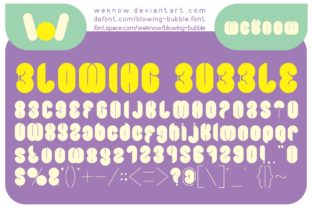
Blowing Bubble is a fancy and groovy display font that celebrates the sweeter things in love—candy, gum, surprises, and the lighthearted joy of a handwritten note. It is not trying to be serious or corporate. It shows up ready to play, with rounded letters, playful curves, and a sense of motion that makes you think of bubblegum expanding into a perfect pink sphere. For anyone selling handmade goods, printable templates, or boutique products, this font has a way of turning ordinary words into an invitation.
A Maker’s First Impression: Testing Blowing Bubble on Real Products
I printed the first test on a simple candle label. The scent was vanilla birthday cake, and the words “Celebrate” and “Sprinkle” appeared in Blowing Bubble. The letters felt warm and nostalgic, like something you would see on a vintage candy wrapper or a birthday card from the 1990s. The curves made the label feel friendly, approachable, and sweet without being childish. I held the tin up to the light, turned it around, and knew this font belonged on my shop shelf.
I started seeing possibilities everywhere. The same letterforms that worked for candle labels also looked charming on gift tags, sticker sheets, and thank-you cards. I tried it on a set of three-inch round stickers featuring single words like “Love,” “Dream,” and “Create.” The thick, rounded strokes held up beautifully at that scale. The letters did not get lost or turn muddy. Blowing Bubble is a display font at heart, and it shines brightest when the words are short and the message is front and center.
Where Blowing Bubble Belongs: Handmade Labels, Packaging, and Printables
If you sell physical products, you know that packaging is the first handshake with your customer. Blowing Bubble gives that handshake a warm, memorable squeeze. Here are some of the places it has found a home in my own work.
- Candle and wax melt labels. The playful lettering softens even the simplest kraft paper or matte white label. It works especially well for dessert-inspired scents like birthday cake, cotton candy, or strawberry shortcake.
- Greeting cards and notecards. I used Blowing Bubble for the word “You” on a set of encouragement cards, paired with a simple handwritten message inside. The card felt complete without needing any illustration.
- Wedding and party invitations. For a backyard garden party invitation, I set the couple’s names in Blowing Bubble and used a clean sans serif for the details. The contrast made the names feel like the sweet spot of the whole design.
- Printable wall art. Single-word prints like “Joy,” “Love,” or “Home” become instant focal points. I framed an 8x10 print of the word “Breathe” in Blowing Bubble, and the rounded letters felt soothing and modern.
- Boutique product tags. Clothing tags, soap toppers, and lip balm bands all benefit from the font’s groovy personality. It adds a handmade touch that machine-printed labels often lack.
How Blowing Bubble Affects Product Presentation and Brand Recognition
Customers do not always notice a font by name, but they feel it. When you use a distinctive display typeface like Blowing Bubble across your product line, you create a visual thread that ties everything together. A customer who buys a birthday card from your shop will recognize the same playful lettering on a gift tag or a sticker sheet. That consistency builds trust and makes your brand feel intentional.
Blowing Bubble also adds emotional appeal. Its curves and rounded edges signal warmth, nostalgia, and approachability. For shop owners who specialize in gifts, stationery, or home fragrance, this emotional layer matters. It tells your customer that the product was made with care and a little bit of whimsy.
Is Blowing Bubble Right for Longer Text?
Blowing Bubble is a display font, which means it performs best at larger sizes and with shorter phrases. Think names, titles, single words, or brief sentiments. I would not recommend setting a full paragraph or even a long ingredient list in this font. The decorative details that make it charming at 36 points can become tiring to read at 12 points. Instead, reserve Blowing Bubble for the star of your label or card, and let a simpler font handle the supporting roles.
Readability Advice for Cutting Machines, Small Stickers, and Printed Merchandise
For anyone using a Cricut, Silhouette, or similar cutting machine, Blowing Bubble works well for vinyl text on mugs, tote bags, and wooden signs. I tested it on an 8-ounce tumbler with the word “Joyful,” and the letters cut cleanly without thin bridges breaking. That said, I recommend keeping your text size above 1.5 inches for physical vinyl projects. Below that, the rounded interior spaces in letters like “a,” “e,” and “o” can become too narrow for clean weeding.
For printed stickers and labels, 18 points is a comfortable minimum for single words. If you are printing small thank-you stickers around 1 inch in diameter, you may want to bump the size up to 20 or 22 points so the details remain visible. On greeting cards and wall art, larger sizes let the font’s groovy personality shine without any readability concerns.
Font Pairing Ideas for Cohesive Shop Designs
Blowing Bubble pairs naturally with a clean sans serif font for body text, details, or secondary information. I have used it with simple geometric sans serifs like those inspired by early twentieth-century lettering, and the combination feels balanced. The playful display font gets all the attention, while the neutral sans serif keeps the layout readable and grounded.
A lightweight script font can also work for accent words, but be careful not to overcrowd the design. Blowing Bubble already carries strong personality, so choose a pairing font that stays quiet. Avoid using two decorative display fonts together unless you have a specific retro or maximalist look in mind.
If you prefer a more classic contrast, a simple serif font for the smaller text can add a touch of elegance to wedding invitations or formal printables. The mix of playful and refined creates a fresh, modern feel that appeals to a wide range of customers.
Practical Notes for Commercial Use: Licensing, Formats, and Multilingual Support
Before you use Blowing Bubble in products for sale, take a moment to review the commercial font licensing. Whether you are selling physical goods like mugs and candles or digital downloads like printables and templates, the license terms define what is allowed. Some fonts require an extended license for certain commercial activities, so it is always best to confirm upfront. This protects your shop and respects the work of the type designer.
Also check what file formats are included with your purchase. Many premium fonts come with OTF, TTF, and WOFF files, which cover nearly every use case from print to web to cutting machine software. If you are using the font in design programs like Adobe Illustrator, Procreate, or Canva, OTF is usually the preferred format.
Multilingual support is another factor to consider. If your shop serves customers in different countries or you create bilingual labels, confirm that Blowing Bubble includes the accent characters and special letters you need. A quick glance at the character map before you start designing will save you from last-minute surprises.
Making the Most of Blowing Bubble in Your Seasonal and Year-Round Products
One of the things I love about Blowing Bubble is its seasonal flexibility. It looks natural on Valentine’s cards, but it also works for Easter gift tags, summer party invites, and holiday treat boxes. The groovy, candy-inspired feel translates well across celebrations without feeling forced. For fall or winter, pair it with warm earthy colors and simple backgrounds. For spring and summer, let it float on pastel or bright papers.
I keep Blowing Bubble saved in a folder called “Everyday Play” because it is not a font I use once and forget. It comes back out for every project that needs a little sweetness. When I designed a small batch of tote bags for a weekend market, the word “Treat” in Blowing Bubble turned a plain canvas bag into a conversation starter. When I prepared a digital template for a printable gift tag set, the font made the preview image stand out in a crowded search feed.
Final Design Thoughts from the Worktable
Blowing Bubble is more than just a pretty typeface. It is a tool that helps handmade sellers communicate warmth, nostalgia, and joy without saying a word. Whether you are printing candle labels, cutting vinyl for tote bags, or designing a full invitation suite, this font brings a groovy, candy-like charm that customers notice and remember. It works best when you let it lead the design, keep the message short, and pair it with a calm supporting font. Check your license, test your cut settings, and then let the bubbles fly.